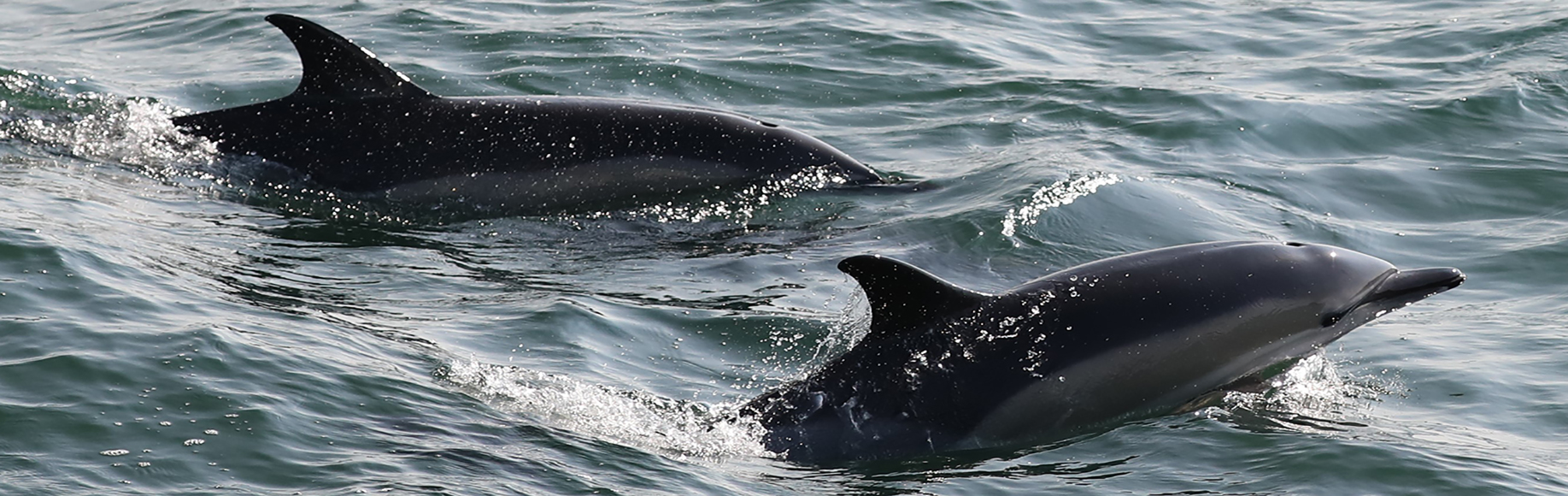
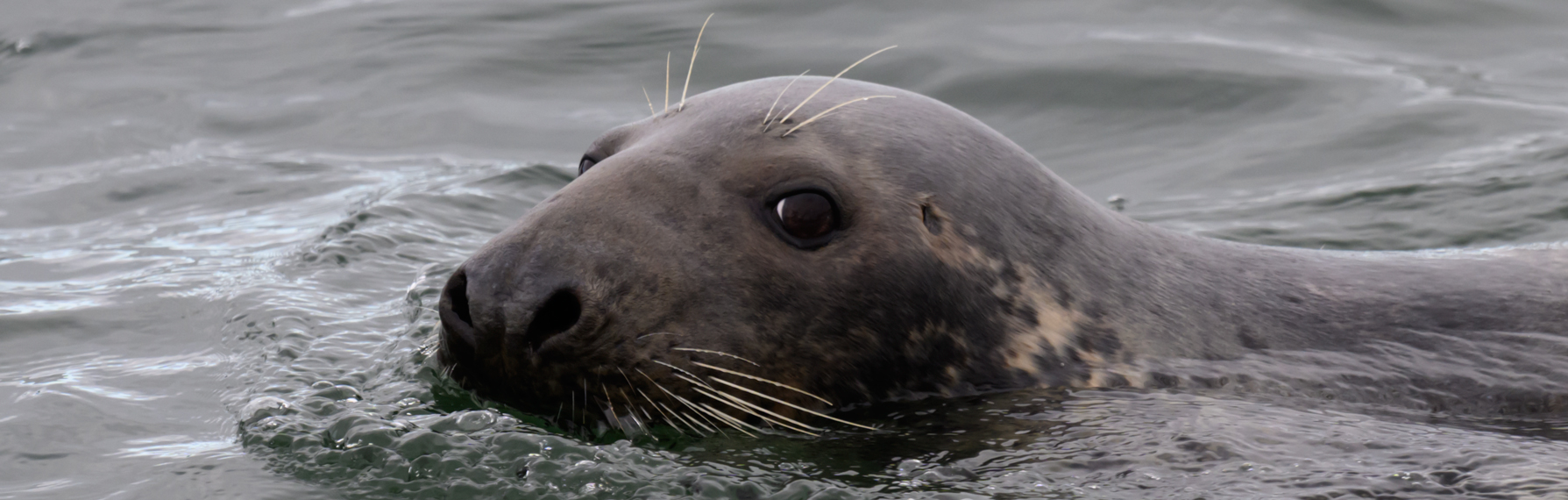
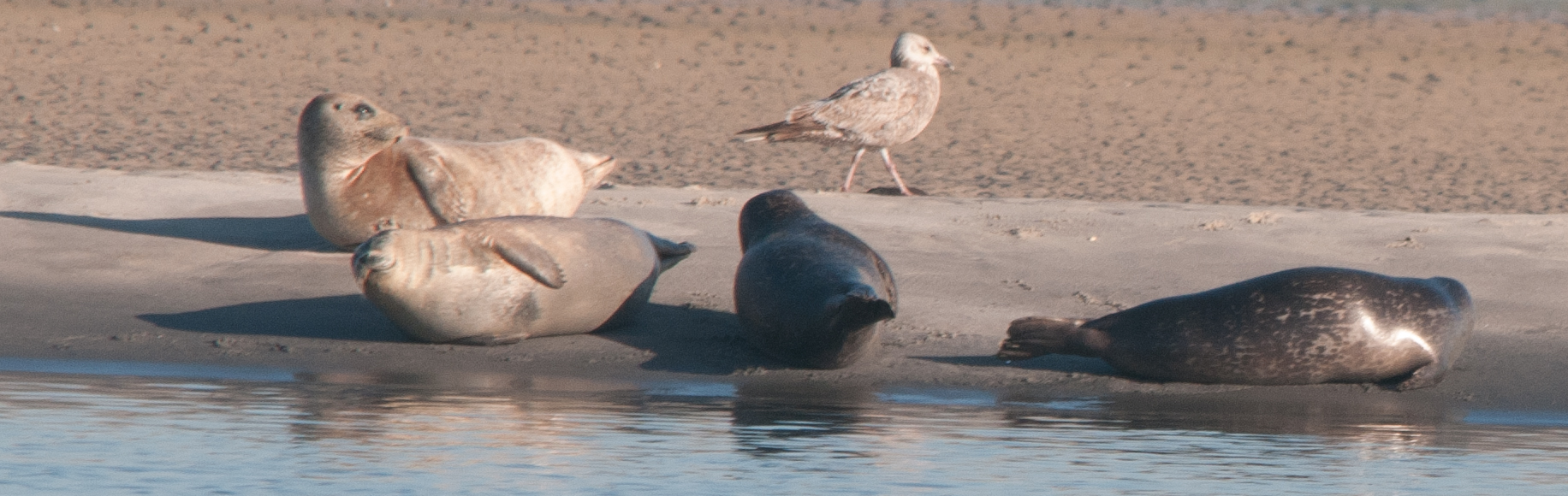
Our mission is to promote and foster understanding and stewardship of coastal ecosystems through research and education
The Coastal Research and Education Society of Long Island, was founded in the summer of 1996 by a group of experts in marine mammal science, environmental sciences, education and conservation. CRESLI was formed for the purposes of conducting research, providing educational experiences and promoting conservation of coastal ecosystems. Research and education are inextricably linked in all CRESLI activities. As such, CRESLI actively seeks cooperative alliances with researchers, educational institutions, and the participation of the public. Our pinniped and cetacean research projects, for example, utilize public whale watch cruises, seal walks, and seal cruises as platforms for collecting data and educating the public at the same time.
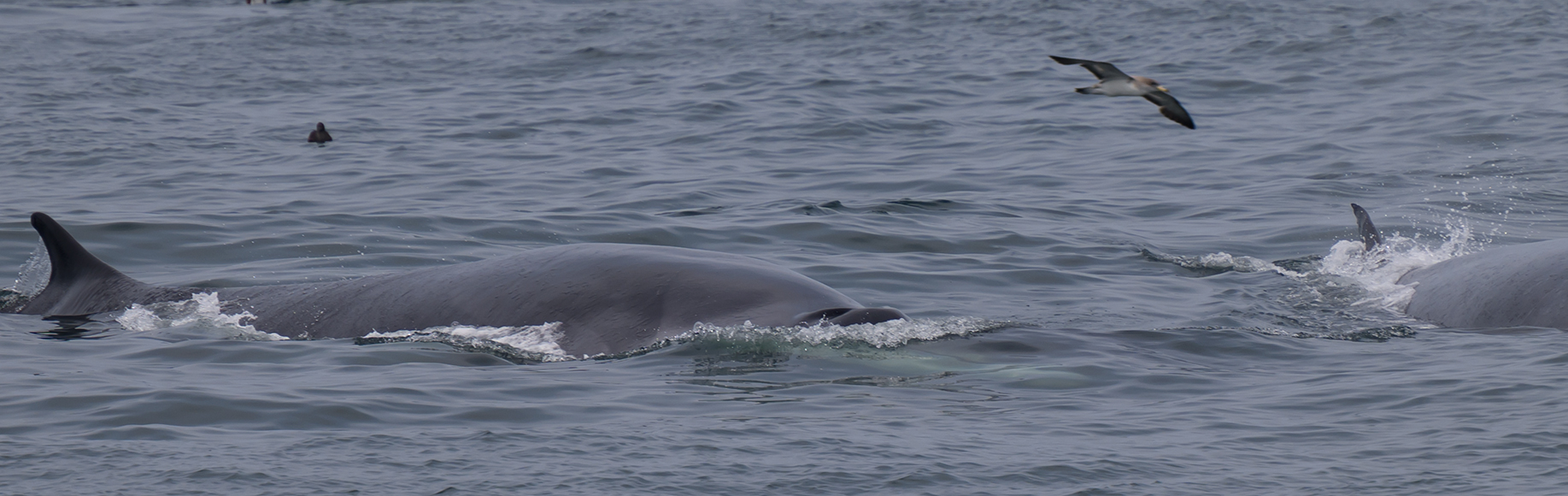
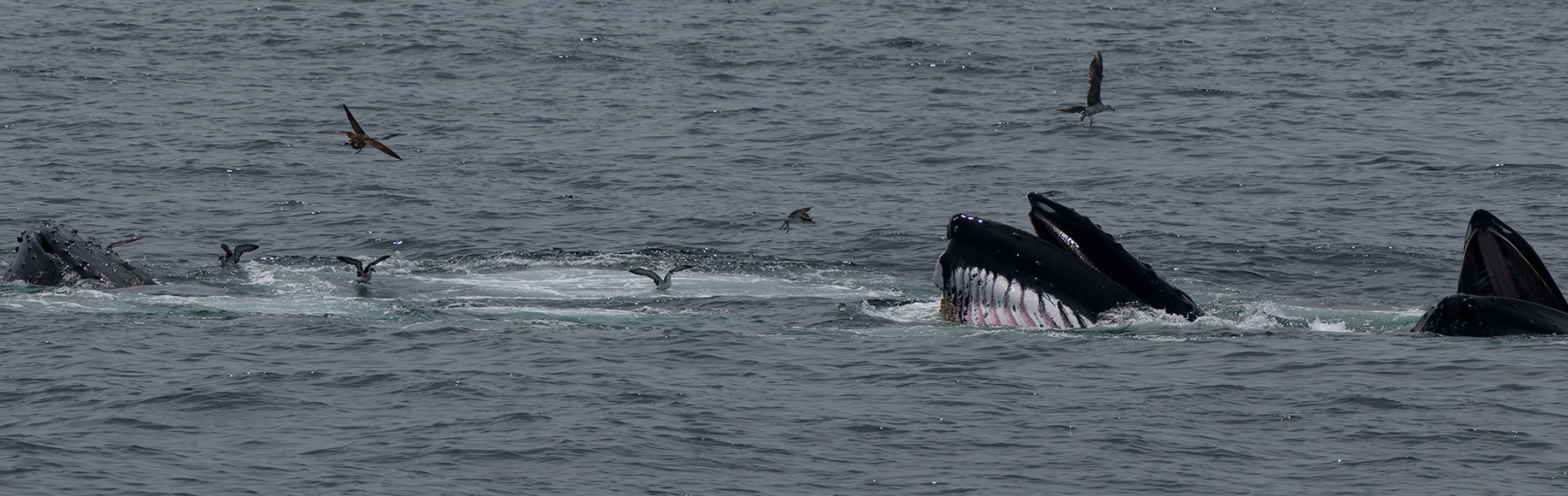
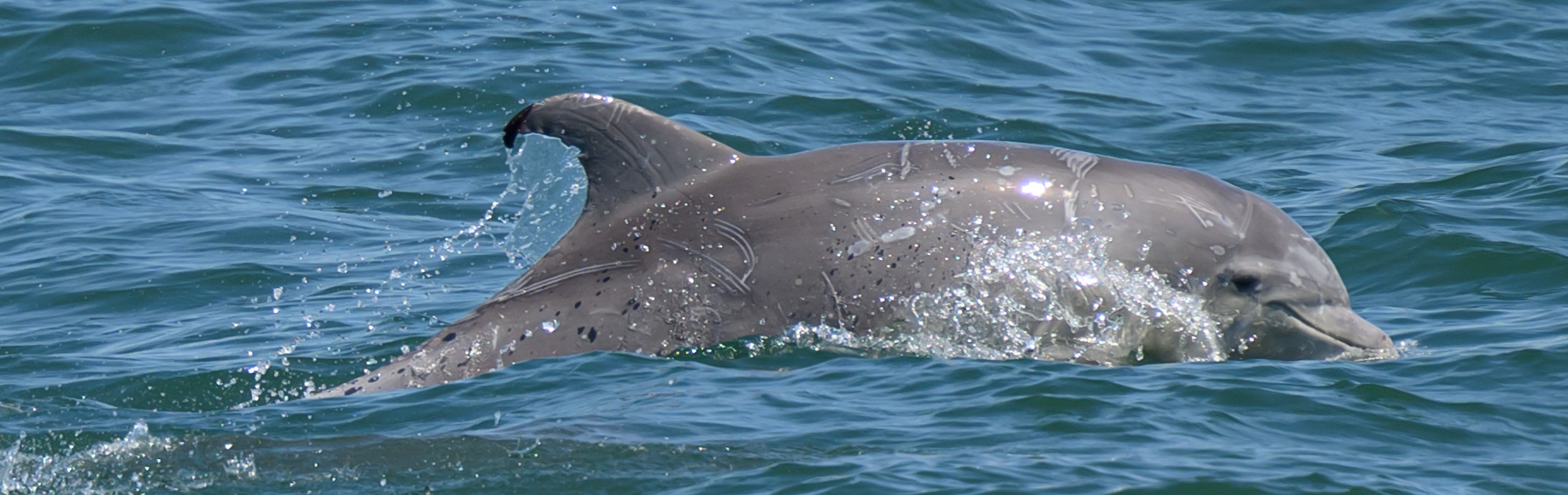
Join us on any of our excursions, lectures, activities to learn about our coastal waters and the ecosystems therein. Come out on trips to see the amazing diversity of marine mammals, sea turtles, pelagic birds, and other marine life. Use the dropdown menu to follow links to become a member, and/or a volunteer and join us in our work.
Harbor seals of Shinnecock & Moriches Bays. Join us this winter and spring on scientist guided walking or boat tours from CRESLI_ Inc. on Vimeo.
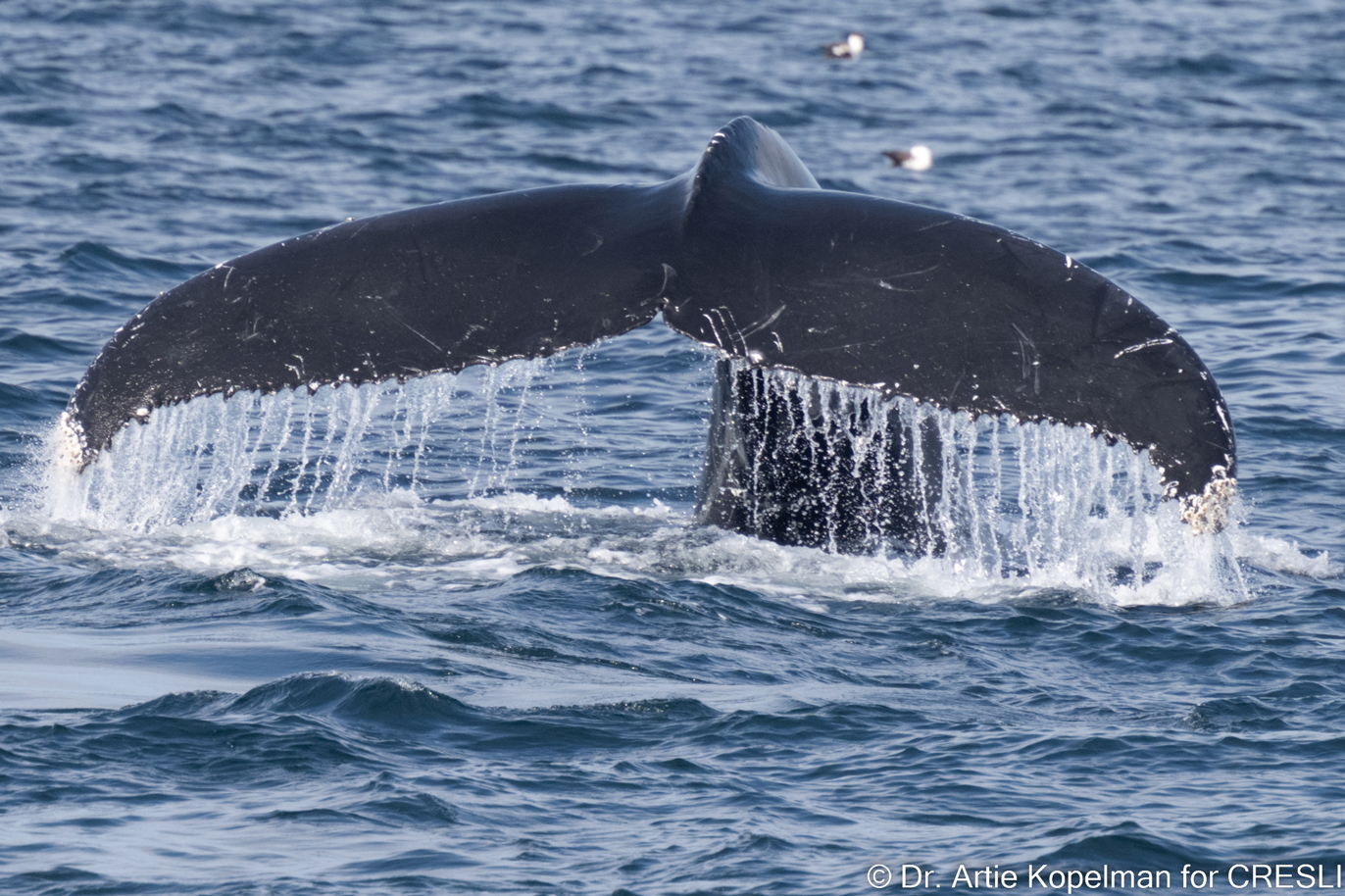
Slow motion humpback terminal dive, 8/3/22, off Montauk from CRESLI_ Inc. on Vimeo.
For 2025, CRESLI and the Viking Fleet have scheduled trips from late June through September: 43 local trips (5 - 6 hrs long) and 2 Offshore trips (36 hrs long).
For information go to our whale watching page at https://cresli.org/whalewatching and read our 2025 Naturalist Blog for reports and links to photos and videos.
Meet the CRESLI naturalists and take a trip with crew with over 39 years of whale watching experience AND professors/scientists as trip leaders. Our record, as well as our research and education programs are a testament to our model of work through trained and committed citizen science volunteers. Sign up to be a CRESLI volunteer
Help support our work via purchases in our shop. Certificates of Adoption, CRESLI Clothing, CRESLI Humpback Whale Identification Activity Sets, and more.
We at CRESLI wish to acknowledge the indigenous peoples and tribes who were the original stewards of the coastal areas in which we work. The Coastal Research & Education Society of Long Island's research and work take place primarily on the land and waters of the Unkechaug (Cupsogue Beach), Shinnecock (Shinnecock Bay), Montaukett (Montauk), and Secatogue (West Sayville). View a map of the indigenous communities.
CRESLI is a nonprofit organization as defined in section 501 (c) (3) of the Internal Revenue Code. All Contributions are deductible to the fullest extent of the law. A copy of the last financial report filed with the Department of State may be obtained by writing to NYS Dept. of State, Office of Charities Registration, Albany, NY 12231.
CRESLI does not discriminate on the basis of race, color, religion, sex, sexual orientation, national, or ethnic origin.


